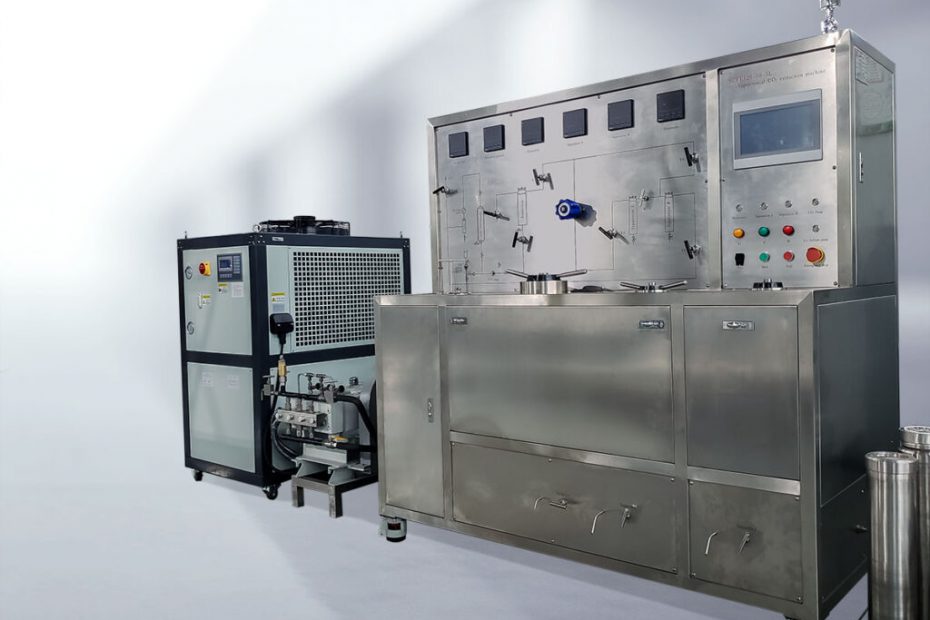
As industries increasingly seek sustainable and efficient methods for extracting valuable compounds from natural sources, the use of supercritical carbon dioxide (CO2) fluid extraction has emerged as a promising technique.
Supercritical fluid extraction utilizes carbon dioxide in a state where it exists simultaneously as a liquid and a gas, known as the supercritical state. In this state, CO2 becomes an excellent solvent, capable of extracting a wide range of compounds from various materials, including oils from plant sources like winter melon seeds.
Advantages of Supercritical CO2 Fluid Extraction Proecss
- Precision and Selectivity —- One of the primary advantages of supercritical CO2 fluid extraction is its precision and selectivity. The method allows for the targeted extraction of specific compounds while leaving others untouched. This level of control is particularly valuable in obtaining pure and high-quality winter melon oil without undesired impurities.
- Environmental Sustainability —- Supercritical CO2 fluid extraction is considered environmentally friendly as it eliminates the need for harsh chemical solvents. The CO2 used in the process is non-toxic, non-flammable, and readily available, making it a sustainable alternative to traditional extraction methods that may involve the use of harmful chemicals.
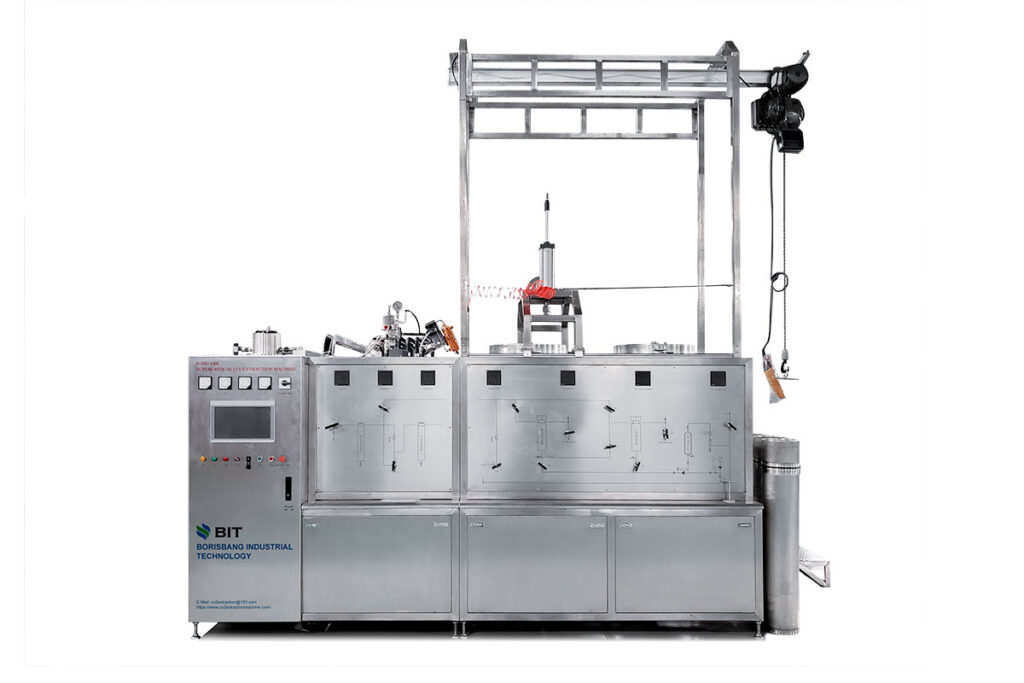
As the global market increasingly demands natural plant oils, functional ingredients, and solvent-free extraction technologies, winter melon seed oil has emerged as a promising value-added product in the food, nutraceutical, cosmetic, and health-care industries. Rich in unsaturated fatty acids, phytosterols, and bioactive compounds, winter melon oil offers significant commercial potential when manufacturers adopt efficient and scalable extraction technologies.
Among various extraction methods, supercritical carbon dioxide (SC-CO₂) extraction has become one of the most advanced industrial solutions for producing high-purity winter melon oil. Compared with traditional solvent extraction and mechanical pressing, SC-CO₂ technology delivers cleaner products, higher extraction efficiency, and better preservation of heat-sensitive nutrients.
For investors and processing enterprises, however, successful industrialization requires more than laboratory-level extraction results. Manufacturers must optimize process parameters, configure industrial equipment properly, control operating costs, and accurately evaluate return on investment (ROI).
Winter Melon Oil :Nutritional and Functional Value
Winter melon seeds contain valuable oil components, including:
- Linoleic acid
- Oleic acid
- Vitamin E
- Plant sterols
- Natural antioxidants
These components make winter melon oil attractive for:
- Functional foods
- Nutritional supplements
- Skin-care products
- Cosmetic formulations
- Specialty edible oils
Why Supercritical CO₂ Extraction Is the Preferred Technology
Limitations of Traditional Extraction Methods
Mechanical Pressing
Mechanical pressing offers simple operation but usually suffers from:
- Lower oil yield
- Residual oil loss in seed cake
- Incomplete extraction of active compounds
Organic Solvent Extraction
Solvent extraction can improve yield, but it introduces additional concerns:
- Solvent residue risks
- Environmental pollution
- High post-processing requirements
- Safety hazards
- Thermal degradation of sensitive compounds
As food and cosmetic regulations become stricter worldwide, many manufacturers now seek cleaner extraction alternatives.
Advantages of Supercritical CO₂ Extraction
Supercritical carbon dioxide extraction solves many limitations associated with conventional technologies.
When CO₂ reaches its supercritical state, it exhibits both gas-like diffusion ability and liquid-like dissolving power. This unique characteristic allows it to penetrate plant materials efficiently and dissolve target oils selectively.
Key industrial advantages include:
- No toxic solvent residue
- Low-temperature extraction
- Excellent preservation of bioactive ingredients
- Adjustable selectivity through pressure and temperature control
- High product purity
- Environmentally friendly processing
- Recyclable CO₂ operation
These advantages make SC-CO₂ extraction particularly suitable for high-value botanical oils such as winter melon seed oil.
Industrial Process Flow for Winter Melon Oil Extraction
Raw Material Preparation
The extraction process begins with proper seed pretreatment.
Manufacturers typically perform the following steps:
- Cleaning and impurity removal
- Drying to optimal moisture content
- Crushing or grinding
- Particle size screening
- Temporary storage before extraction
Moisture content significantly affects extraction efficiency. Excessive moisture reduces CO₂ penetration, while overly dry materials may decrease oil diffusion performance.
Most industrial systems maintain seed moisture between 6% and 10%.
Industrial Equipment Configuration
Main System Components
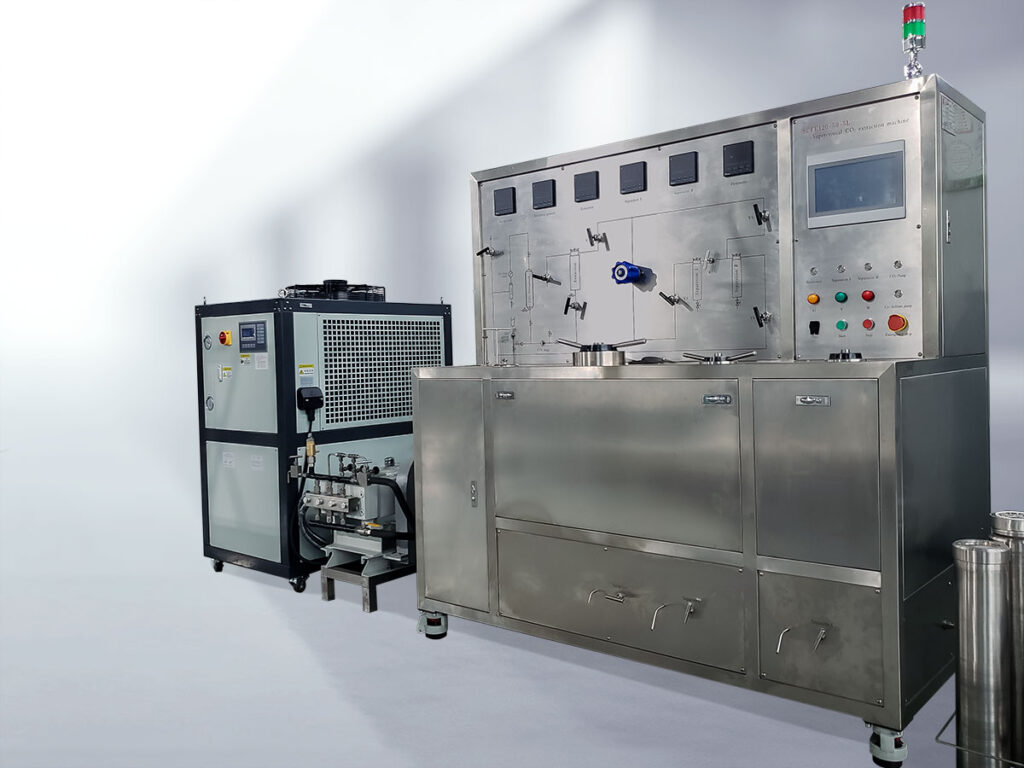
A complete industrial SC-CO₂ winter melon oil extraction line generally includes:
| Equipment | Function |
|---|---|
| Extraction vessel | Holds raw materials during extraction |
| CO₂ storage tank | Stores liquid carbon dioxide |
| High-pressure pump | Pressurizes CO₂ |
| Heat exchanger | Controls operating temperature |
| Separator system | Separates extracted oil from CO₂ |
| CO₂ recovery unit | Recycles carbon dioxide |
| PLC automation system | Controls operating parameters |
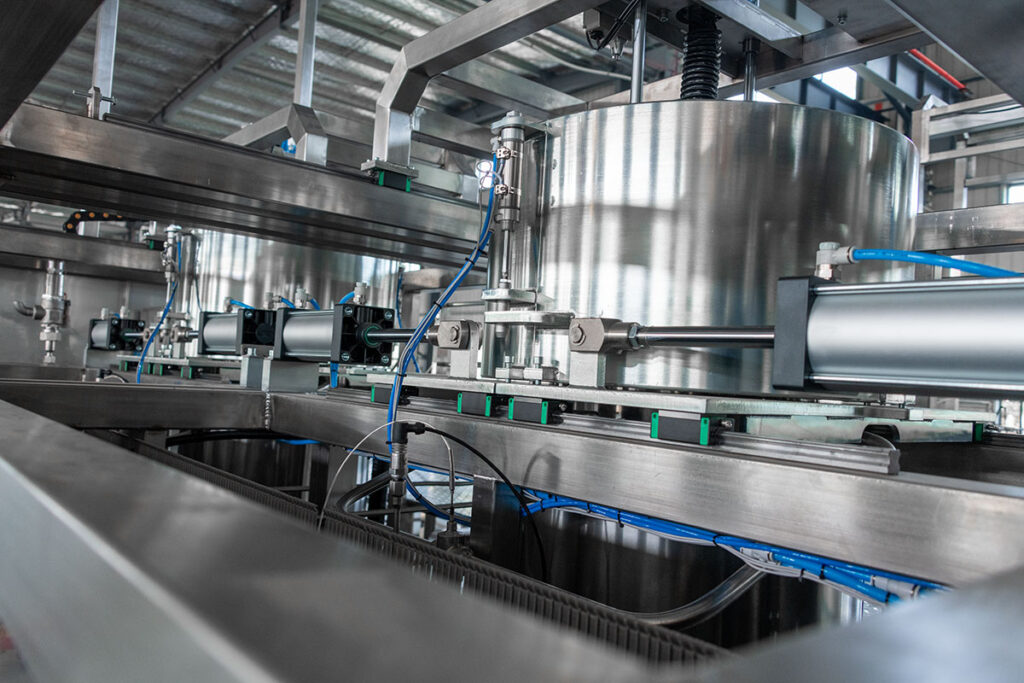
Modern industrial systems increasingly adopt PLC and touchscreen automation to improve consistency, reduce labor requirements, and enhance safety management.

Environmental and Regulatory Advantages
Supercritical CO₂ extraction supports sustainable manufacturing goals because it:
- Minimizes chemical pollution
- Reduces hazardous waste
- Uses recyclable carbon dioxide
- Produces cleaner end products
These environmental benefits increasingly influence investment decisions and international market access.
Conclusion
Supercritical carbon dioxide extraction provides an efficient, clean, and highly industrialized solution for winter melon oil production. Compared with traditional extraction methods, SC-CO₂ technology delivers superior product purity, better nutrient retention, stronger environmental performance, and higher commercial value.
However, successful industrialization depends on much more than extraction itself. Manufacturers must carefully optimize process parameters, configure industrial equipment properly, manage operating costs, and evaluate ROI realistically.
As demand for natural plant oils and solvent-free processing continues growing, industrial SC-CO₂ extraction will likely play an increasingly important role in the future of botanical oil manufacturing. For forward-looking investors and processing enterprises, winter melon oil extraction represents not only a technological opportunity, but also a promising pathway toward sustainable and high-value industrial production.